| |
|

|

| |
|
⚜️ Love what you're reading? Forward this edition to a friend or send them to subscribe here.
|
| |
|
Easter Weekend
|
|
Easter weekend arrives in Louisiana with spring festivals, crawfish boils, and celebrations across the state. The Crescent City Classic 10K runs through the French Quarter Saturday morning. Families gather for Old Fashioned Easter at the LSU Rural Life Museum. Strawberry season peaks in Ponchatoula. And crawfish—mudbugs are everywhere this week.
This is Louisiana in early April. Easter traditions, outdoor festivals, live music, and crawfish by the pound. Spring has arrived.
Here's your guide to the week of March 31 through April 7.
|
|
|
|
| |
|
MARCH 31 - APRIL 7, 2026
|
|
Easter Weekend in Louisiana — Festivals, Crawfish, and Spring Celebrations
|
|
|
|
Easter weekend brings Louisiana traditions together—from the Crescent City Classic 10K to crawfish boils and spring festivals
|
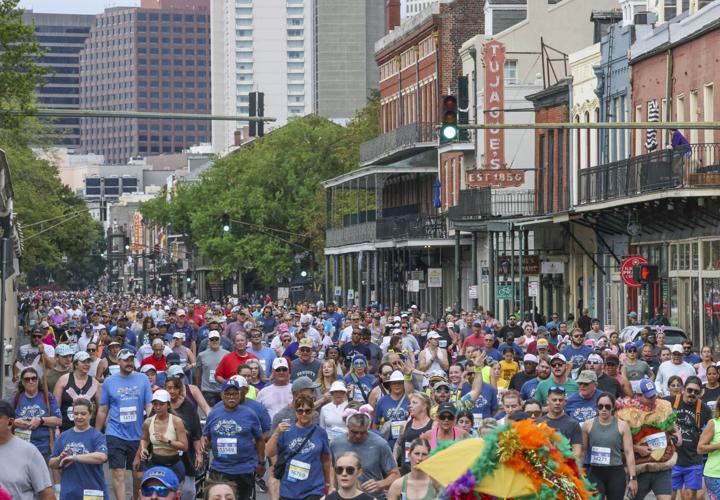
| Easter weekend in Louisiana means more than church and family gatherings. | | Saturday morning, 21,000 runners take over the French Quarter for the Crescent City Classic 10K—a New Orleans tradition since 1979. The race finishes in City Park under live oaks, followed by live music and New Orleans cuisine. | | Sunday, families head to the LSU Rural Life Museum in Baton Rouge for Old Fashioned Easter. Egg dyeing, petting zoos, and the old Cajun tradition of paquing—cracking eggs against each other until one breaks. Winner takes both eggs. | | Up in Ponchatoula, strawberry season is peaking. The Strawberry Festival kicks off April 10, but vendors are already selling flats of berries along Highway 51. In DeQuincy, the Louisiana Railroad Days Festival celebrates 43 years of railroad heritage. In Shreveport, Walk the Line Avenue turns one of the city's most iconic streets into a community block party. | | And crawfish. Everywhere. Peak season. Every backyard, every church parking lot, every VFW hall from Shreveport to the Gulf is throwing boils this weekend. | | This is Louisiana in early April—Easter, festivals, crawfish, and spring settling in across the state. |
|  | |
|
What's Happening in Your Area Code This Week
|
| |
|
🎷 New Orleans / Kenner / Metairie - 504
|
|
|
|
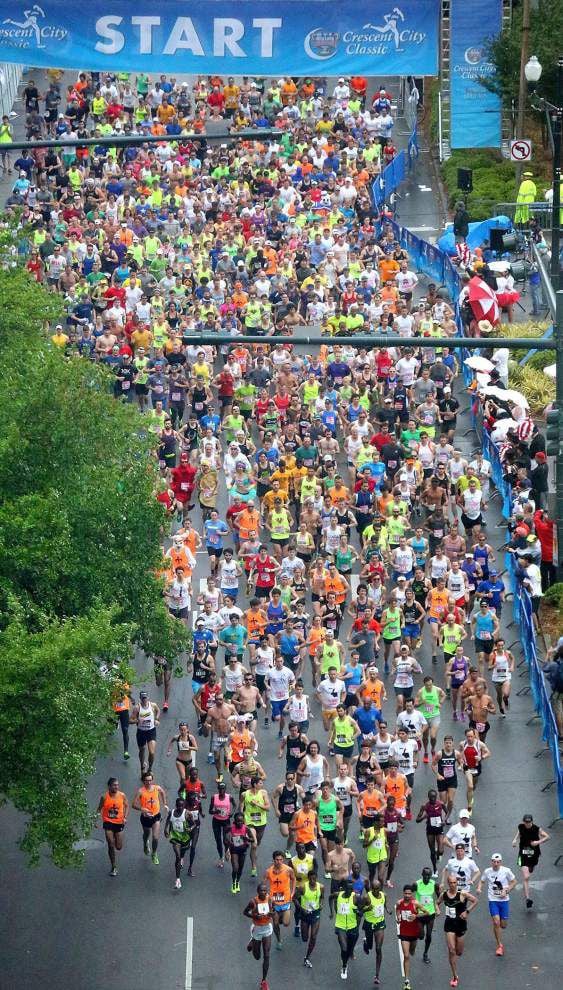
Thousands take over New Orleans streets for the Crescent City Classic and Congo Square celebrations
|
| Crescent City Classic 10K |
| Caesars Superdome, New Orleans · Saturday, April 4, 8:00 AM |
| Since 1979, the Crescent City Classic 10K has been a New Orleans Easter Weekend tradition, sending 21,000 runners through the French Quarter, up Esplanade Avenue, and finishing under the live oaks in City Park—followed by a full post-race party with live music and New Orleans cuisine. |
|
| Congo Square Rhythms Festival |
| Armstrong Park, New Orleans · March 28-29 |
| The literal birthplace of American music comes alive with African drumming, brass bands, and Second Line energy—free admission, right where jazz was born. |
| | |
|
|
|
|
| Old Fashioned Easter |
| LSU Rural Life Museum, Baton Rouge · Easter Sunday, April 5 |
| Activities include Easter Bunny photos, a petting zoo, egg dyeing, and the old Cajun tradition of paquing—one of the most authentically Louisiana Easter experiences in the state. |
| | |
|
|
|
🎶 Lafayette / Acadiana Area - 337
|
|
| Louisiana Railroad Days Festival |
| Railroad Museum Park, DeQuincy · April 9-11 |
| Free admission, no alcohol, and pure Louisiana community spirit—43 years of celebrating DeQuincy's railroad heritage with live entertainment, a grand parade, carnival rides, and food vendors. Repeatedly named a Top 20 Southern Event. |
| | |
|
|
|
🚤 Houma / Thibodaux / Bayou Country - 985
|
|
|
|
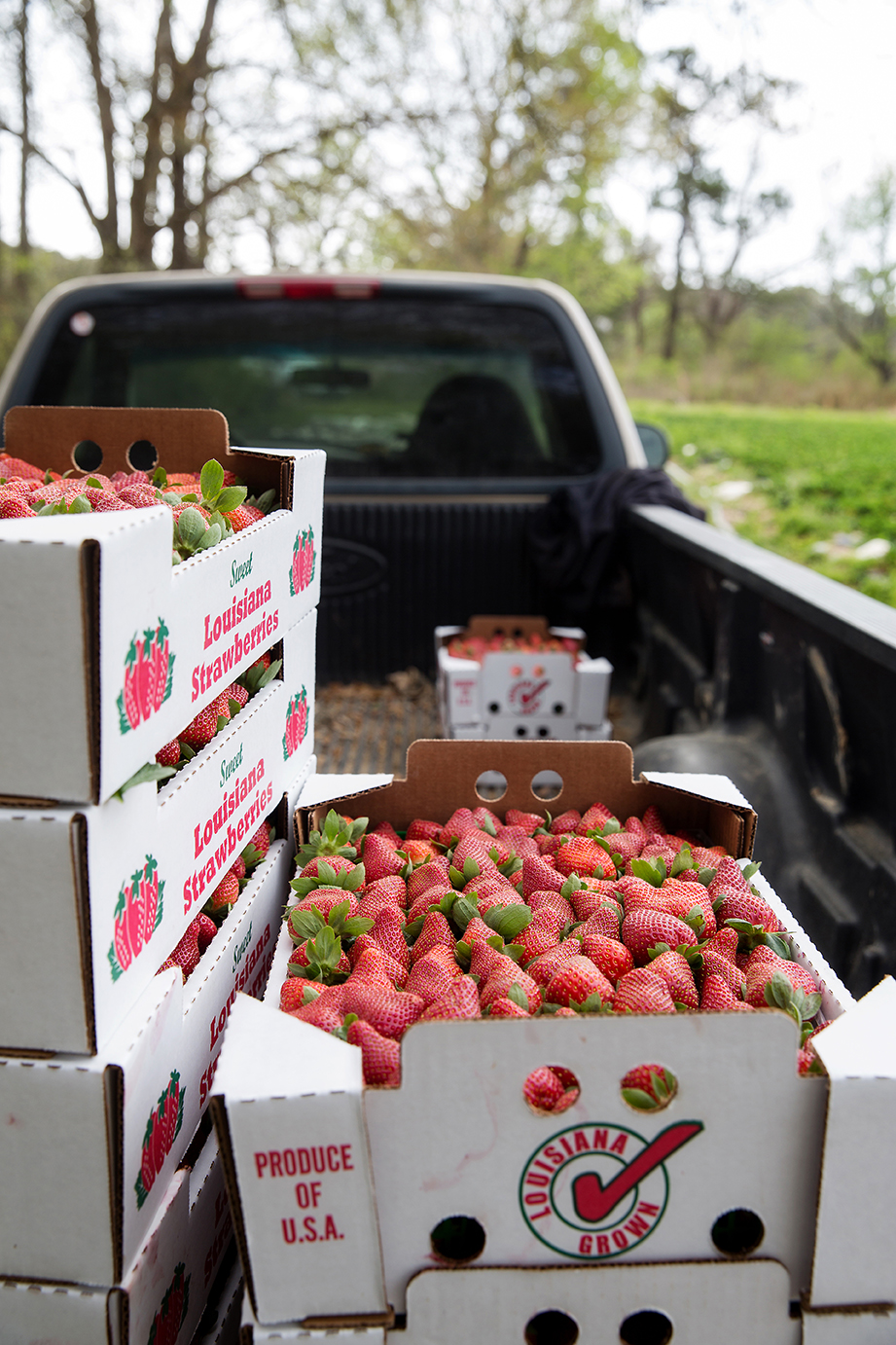
Strawberry season peaks in Ponchatoula with fresh berries, crowds, and spring festival energy
|
| Ponchatoula Strawberry Festival |
| Memorial Park, Ponchatoula · April 10-12 (one week out) |
| The largest free harvest festival in Louisiana, drawing tens of thousands for strawberry eating contests, live music, carnival rides, and a Saturday parade through the Strawberry Capital of the World. Start making plans now. |
| | |
|
|
|
🌲 Shreveport / North Louisiana - 318
|
|
| Walk the Line Avenue |
| Line Avenue, Shreveport · Saturday, April 4, 3:00 PM |
| Local vendors, live music, and food take over one of Shreveport's most iconic streets for a community block-party that's pure Northwest Louisiana.
|
| | | |
| America's First Cocktail |
| The Sazerac — New Orleans Created America's First Cocktail |
|

|
|
The Sazerac—New Orleans’ legendary cocktail made with whiskey, bitters, and history
|
|
| The First American Cocktail Was Mixed in a French Quarter Pharmacy |
| In the 1830s, a Creole apothecary named Antoine Peychaud ran a pharmacy at 437 Royal Street in the French Quarter. |
Like many pharmacists of his day, Peychaud sold "medicinal" bitters—a proprietary mix of aromatic herbs and alcohol he claimed relieved ailments. After hours, friends would gather at his pharmacy for late-night drinks. Peychaud mixed French brandy with a few dashes of his secret bitters and served the concoction in small egg cups called coquetiers.
Americans mispronounced "coquetier" as "cocktail"—or so the story goes. The truth is murkier. The word "cocktail" appeared in print as early as 1803, years before Peychaud's pharmacy opened. But whether or not Peychaud invented the word, he definitely invented the drink.
The name came later. Around 1850, a coffee house owner named Sewell Taylor began importing a French cognac called Sazerac de Forge et Fils. Aaron Bird, who ran the Sazerac Coffee House on Royal Street, started mixing Taylor's cognac with Peychaud's bitters. The drink became known as the Sazerac.
|
| In the 1870s, a pest called phylloxera wiped out French vineyards, cutting off the cognac supply. Thomas Handy, who owned the Sazerac Coffee House by then, switched the base spirit from cognac to American rye whiskey. The drink survived. | | Then absinthe was banned in 1912. Bartenders replaced it with Herbsaint, a New Orleans anise-flavored liqueur created as an absinthe substitute. The Sazerac adapted again.
| | Today, the Sazerac is made with rye whiskey or cognac, Peychaud's Bitters, simple syrup, and a rinse of Herbsaint or absinthe. It's served in an old-fashioned glass with a lemon peel twist. | | On June 23, 2008, the Louisiana Legislature proclaimed the Sazerac as New Orleans' official cocktail. | | You can still order one at the Sazerac Bar in the Roosevelt Hotel, where it's been served since 1938. Or visit the Sazerac House museum on Canal Street, which opened in 2019 and tells the full story of the drink that started it all. |
| 170 years later, the Sazerac remains what it's always been—a simple mix of whiskey, bitters, and New Orleans history. |
| | |
|
|
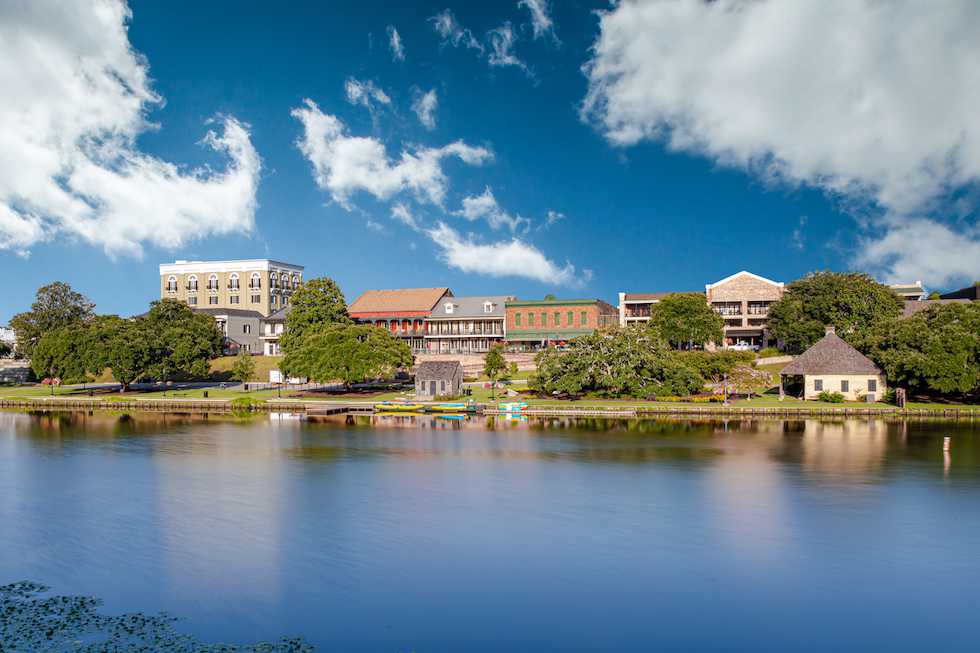
| Can You Name This Louisiana Town? | | This town is the oldest permanent settlement in the Louisiana Purchase. | | It was founded in 1714 by French explorer Louis Juchereau de St. Denis as a trading post on the Red River. The town was named after the indigenous Natchitoches people who lived in a nearby village. | | For over 300 years, this town has been a center of French Creole culture in Northwest Louisiana. Its 33-block historic district features French Creole townhouses, wrought-iron balconies, and brick streets dating back to the 1700s and 1800s. | | The town sits along Cane River Lake—a 35-mile-long oxbow lake formed when the Red River changed course. The riverfront is lined with historic buildings, restaurants serving Creole cuisine, and Beau Jardin, a waterfront garden with fountains and live oaks. | | This is where the movie "Steel Magnolias" was filmed. The town's historic architecture and Southern charm made it the perfect setting. | | Kaffie-Frederick General Mercantile has been operating since 1894, making it the oldest general store in Louisiana. It still uses its original freight elevator and a cash register from 1910. | | The town is famous for its meat pies—a local specialty served at restaurants like Lasyone's. Every December, the town hosts the Louisiana Christmas Festival, covering the riverfront in over 300,000 lights. | | Fort St. Jean Baptiste State Historic Site is a replica of the 1716 French outpost built to keep Spanish soldiers from entering French Louisiana through Texas. | | If you've driven through Northwest Louisiana on I-49, you've probably passed the exit for this town. It's known for its Creole heritage, historic plantations along Cane River, and a downtown that looks like it hasn't changed in 200 years. |
| The answer: Natchitoches. |
|
|
|
|
Historic Natchitoches along Cane River—one of the oldest settlements in the Louisiana Purchase
| | |
| Louisiana Icons |
| Tujague's — The Second-Oldest Restaurant in New Orleans Survived 170 Years |
|
| Tujague's — Where Brunch Was Born and the Grasshopper Was Invented
429 Decatur Street, New Orleans | | In 1852, Guillaume and Marie Abadie Tujague sailed from Bordeaux, France, to New Orleans. Guillaume worked as a butcher in the French Market for three years before opening Tujague's Restaurant in 1856 at 811 Decatur Street—just three doors down from the famous Begue's Exchange. | | Tujague's became known for serving the "Butcher's Breakfast"—a hearty meal for French Market workers and Mississippi riverfront laborers who needed to eat before dawn shifts. This tradition is now recognized as the origin of brunch in America.
| | In 1914, after Guillaume's death, the restaurant moved into the old Begue's building at 823 Decatur Street. The Guichet family purchased Tujague's and ran it for decades. Philibert Guichet invented the Grasshopper cocktail in 1918 for a cocktail competition in New York. The drink—made with crème de menthe, crème de cacao, and cream—took second place and became one of New Orleans' signature cocktails. | | For 157 years, Tujague's operated without printed menus. Diners sat down and were served a five-course prix-fixe meal. Shrimp remoulade. Gumbo. Boiled beef brisket with Creole horseradish. An entrée choice. Bread pudding. No menu, no choices beyond the entrée. That was Tujague's. | | In 2013, Mark Latter took over the restaurant after his father's unexpected death. For the first time in the restaurant's history, Latter introduced printed à la carte menus. The traditional five-course meal is still available, but diners can now order individual dishes. | | Tujague's relocated in 2020 to 429 Decatur Street after losing its lease at the 823 Decatur location. The move included recreating the historic bar—one of the oldest stand-up bars in America—and bringing along 6,000 miniature liquor bottles, historic photographs, and all the memorabilia that made the old location feel like a museum. | | 170 years later, Tujague's is still family-owned, still serving shrimp remoulade and boiled brisket, and still pouring Grasshoppers at the bar. Second-oldest restaurant in New Orleans. One of the oldest family-run restaurants in America. And still going. |
|
|

|
|
Tujague’s in the French Quarter—serving classic Creole dishes and cocktails since the 1800s
| | |
| Sponsored Feature |
BayouRoots |
Heritage Research |
|
| |
| Family History · Louisiana Heritage |
| What Does Your Surname Tell Us About Louisiana History? |
| A new heritage research tool traces every Louisiana surname back to its first recorded appearance in state history — and the story it carries. |
|
| Fontenot. Thibodaux. Boudreaux. Hebert. LeBlanc. These names are Louisiana — woven into the parishes, the bayous, the cemeteries, the courthouse records stretching back centuries. |
| But what about your name? No matter where your family traces its origins — French Acadian, Spanish Colonial, Irish, African, German, or something else entirely — BayouRoots can tell you when and where your surname first touched Louisiana soil. |
| Every report is built from historical Louisiana records. Not guesses — documented arrivals, parish registers, and the layered immigration history of the most culturally complex state in the country. |
|
|
|
| ⚜️ Limited Offer |
| Regular price |
| $29.99 |
| With code LAUNCH |
| $19.99 |
|
Enter the promo code at checkout for instant savings on your heritage report.
|
|
|
|
| |
|
| | |
|
|

|
|
Happy Easter Louisiana
|
| Easter Weekend Is Here | | The Crescent City Classic runs Saturday morning. Old Fashioned Easter at LSU Rural Life Museum on Sunday. Crawfish boils happening in every parish. Festivals in DeQuincy, Shreveport, and Ponchatoula next weekend. | | This is the time of year Louisiana wakes up from winter. Warmer weather, outdoor festivals, live music, and mudbugs by the pound. | | If you're not from here, you might not get it. But if you are, you know exactly what this weekend means. | | Until next time, |
| Michael |
|
| |
|
| |


